
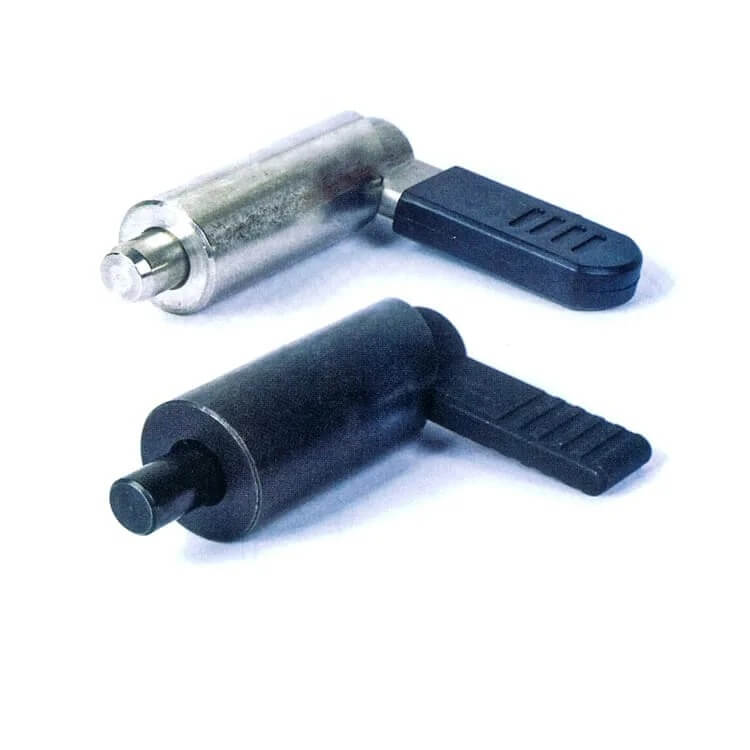
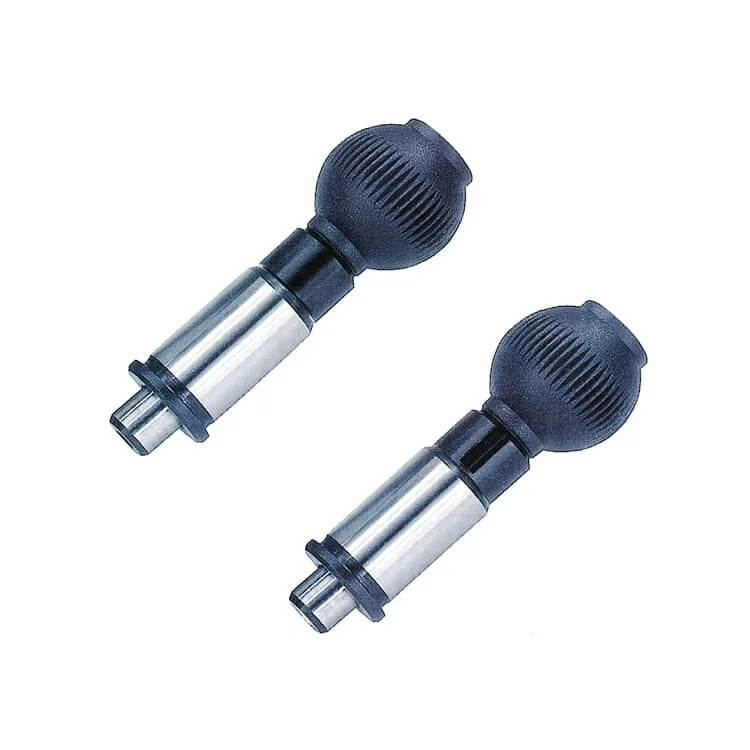
What Are Indexing Plungers?
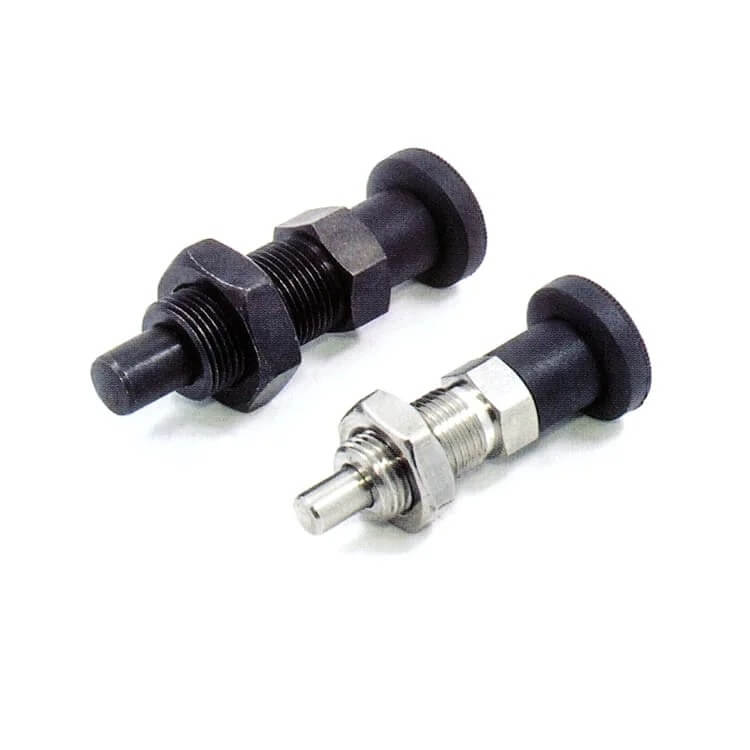
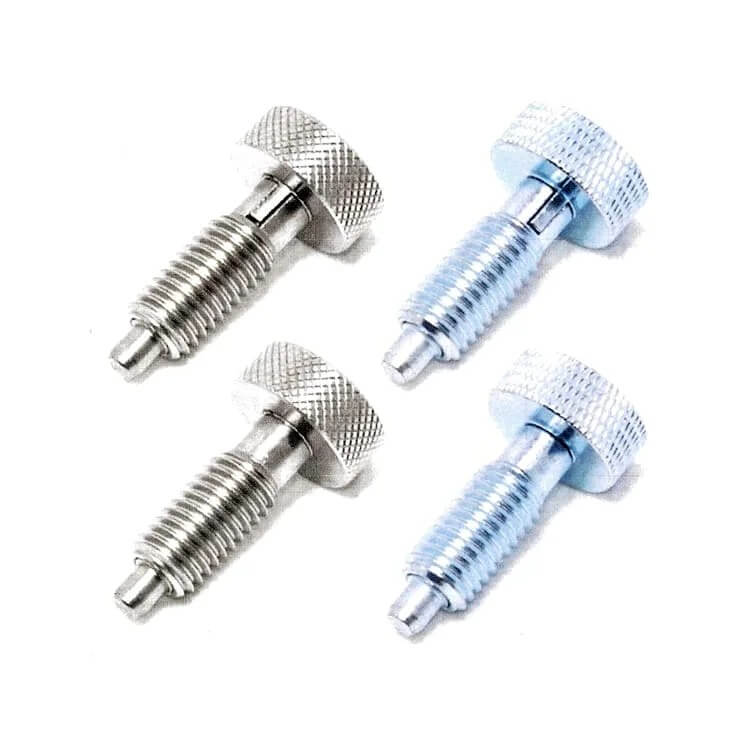
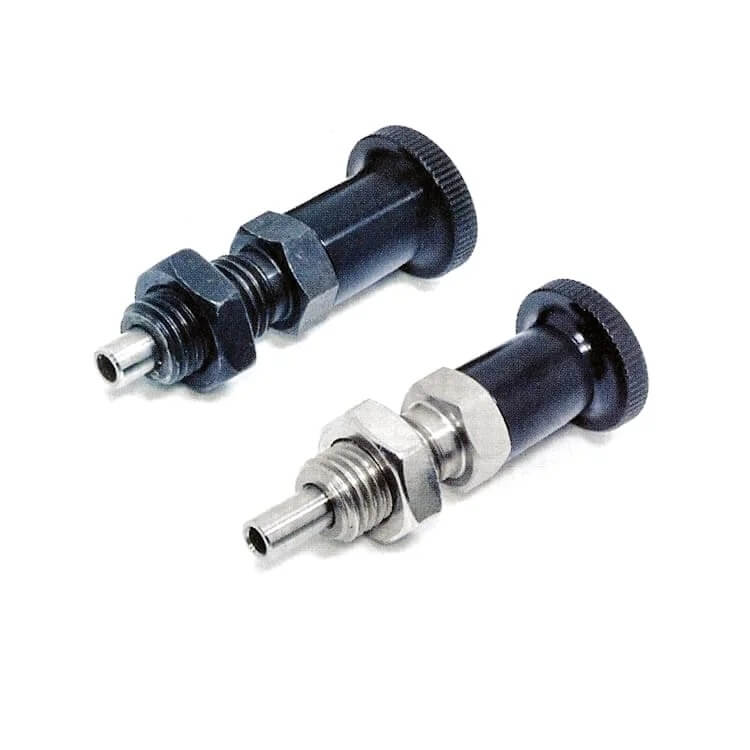
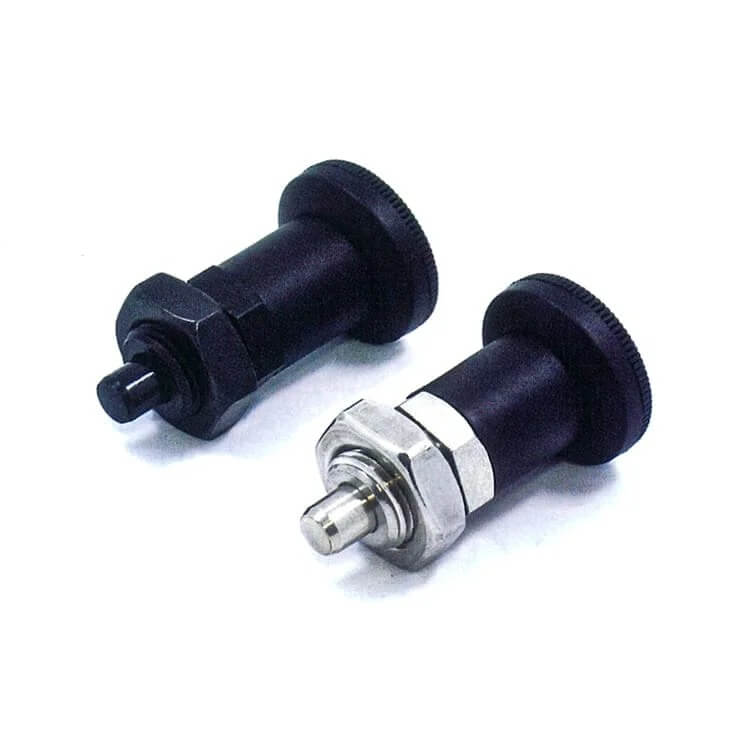
Indexing plungers are essential mechanical components designed to lock machine parts in place or enable precise indexing positions. They play a critical role in countless industrial applications where quick positioning, secure locking, and easy release are required.
How Do Indexing Plungers Work?
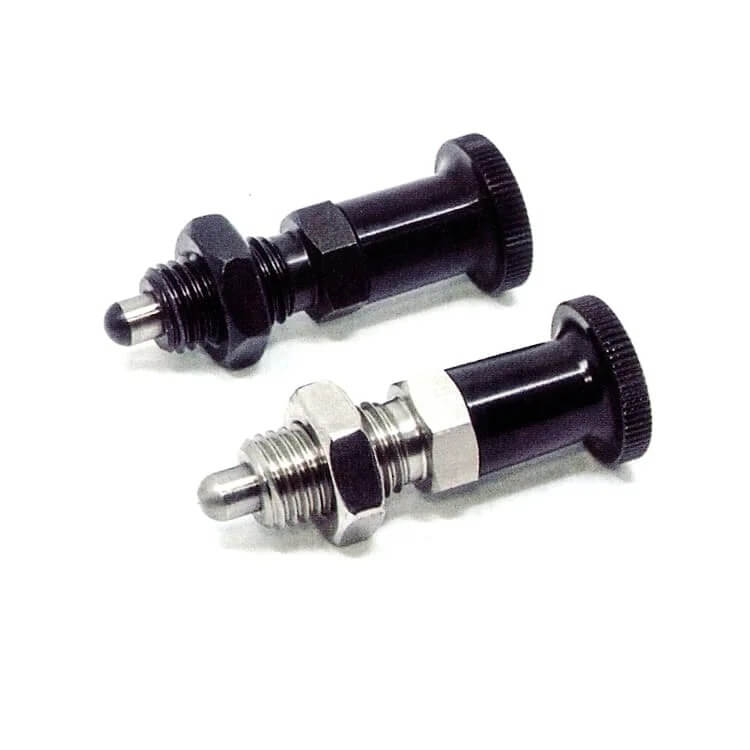
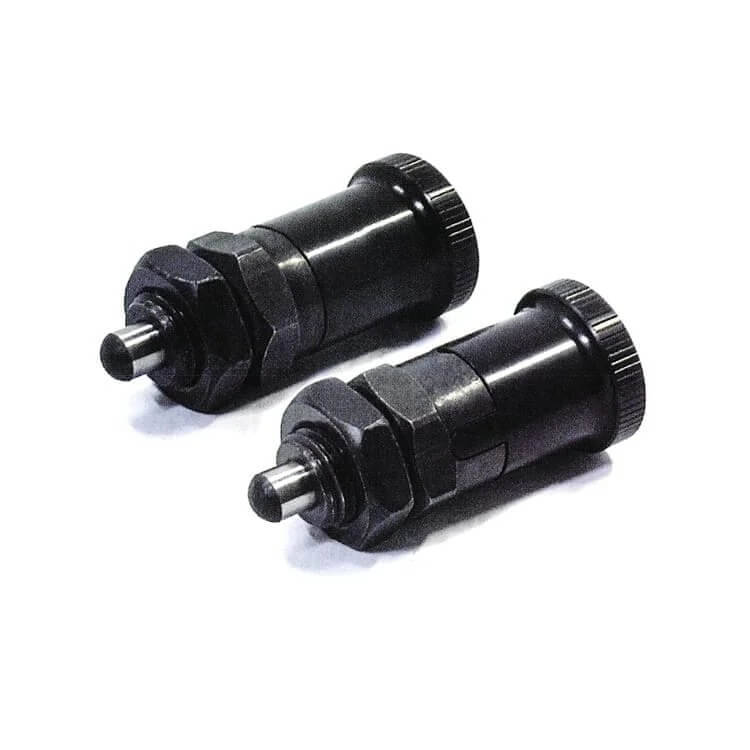
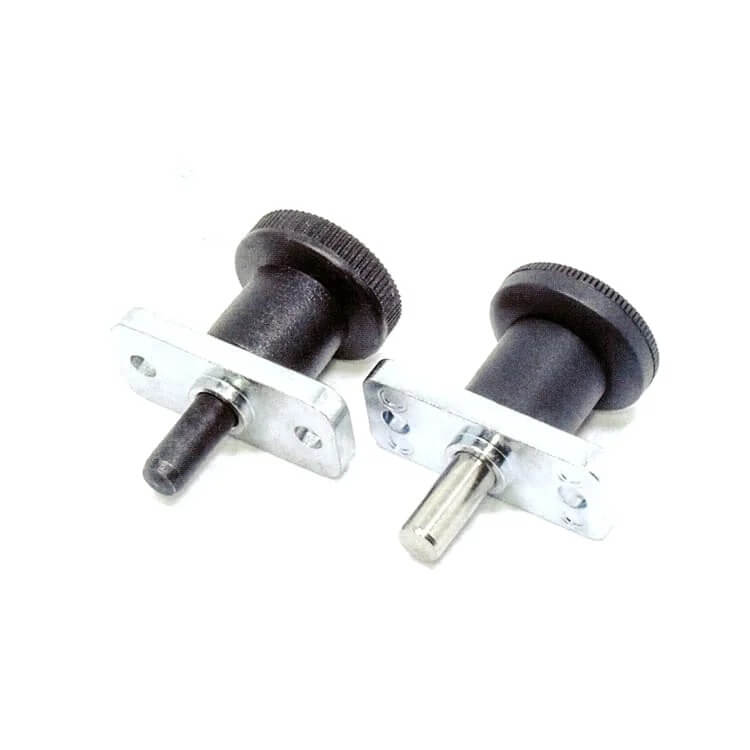
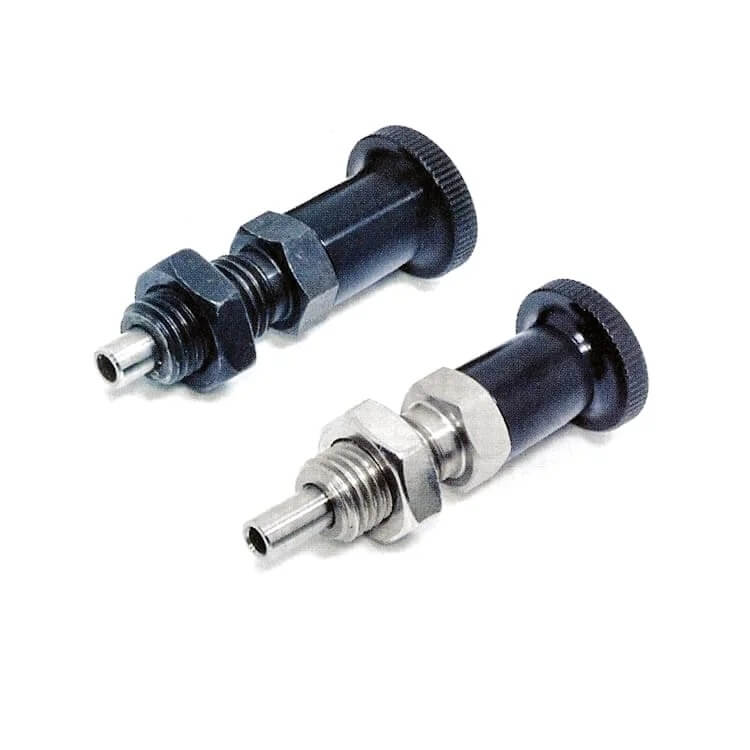
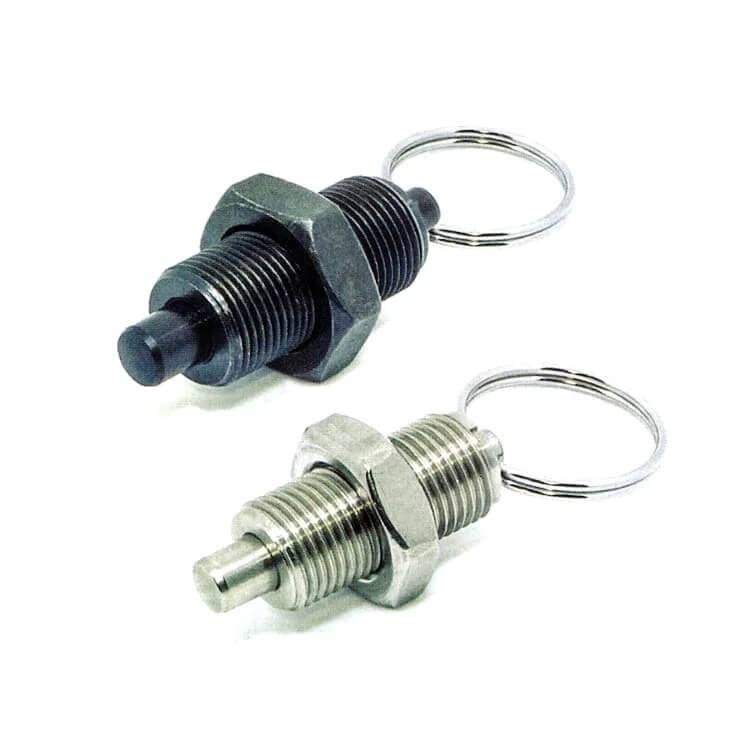
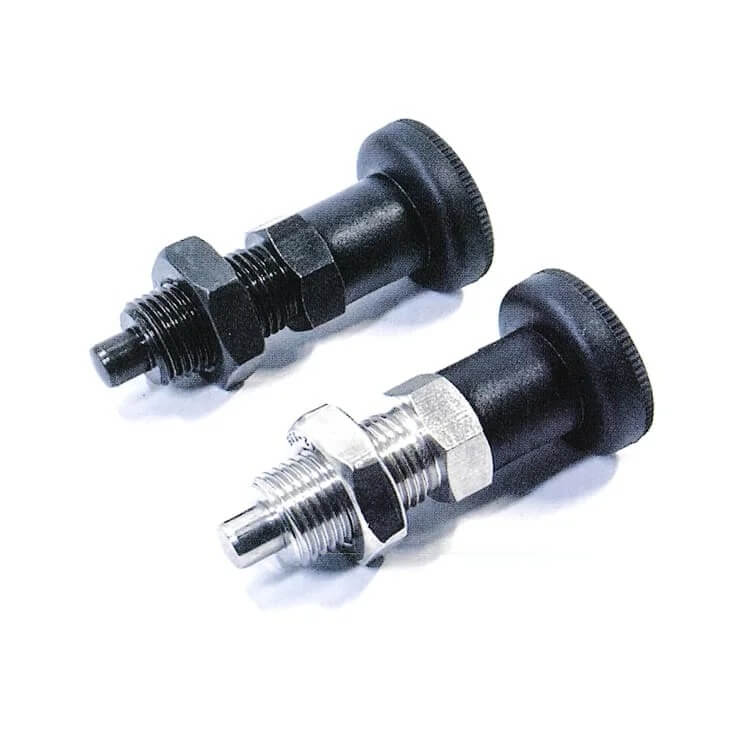
The classic indexing plunger features either a grip knob or a pull ring attached to a spring-loaded pin mechanism. When the operator pulls the knob or ring, the pin at the opposite end of the plunger retracts, allowing the connection to be quickly and easily released or repositioned. Once released, the spring automatically returns the pin to its locked position, ensuring a secure hold.
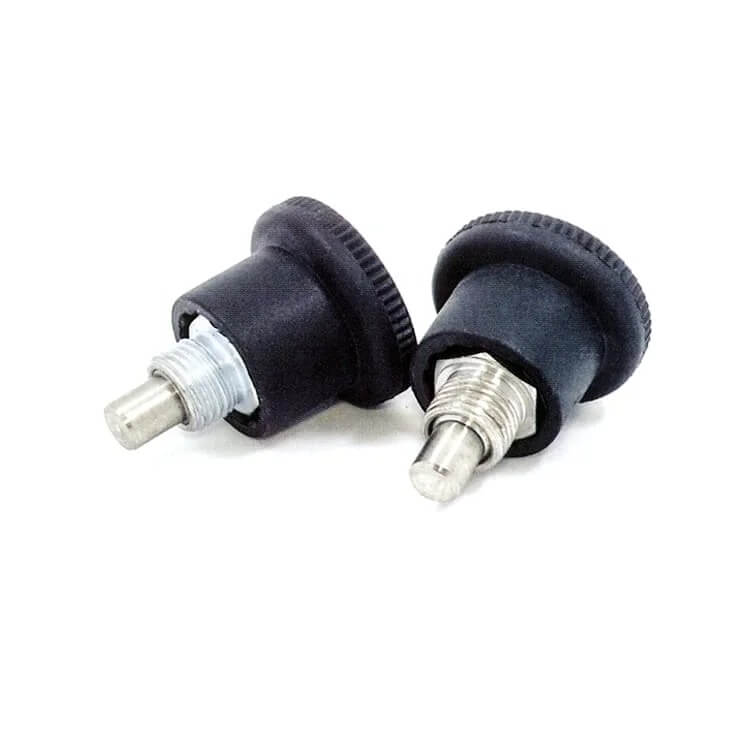
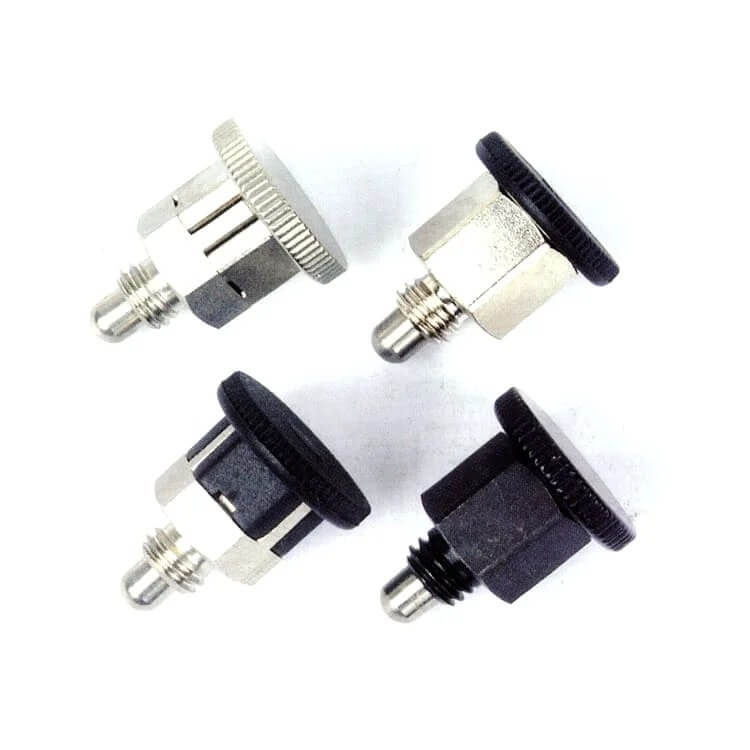
Even compact mini indexing plungers deliver impressive retaining forces, stable fastenings, and effortless handling—guaranteeing high process safety throughout every application.
Standard Indexing Plunger Types We Offer
Our comprehensive range of indexing plungers includes:
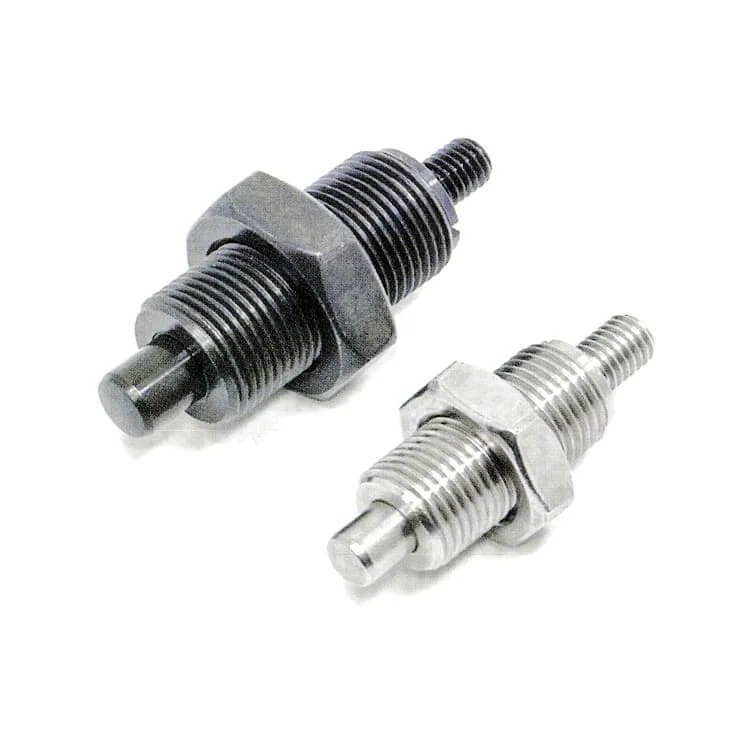
- Indexing plungers without collar
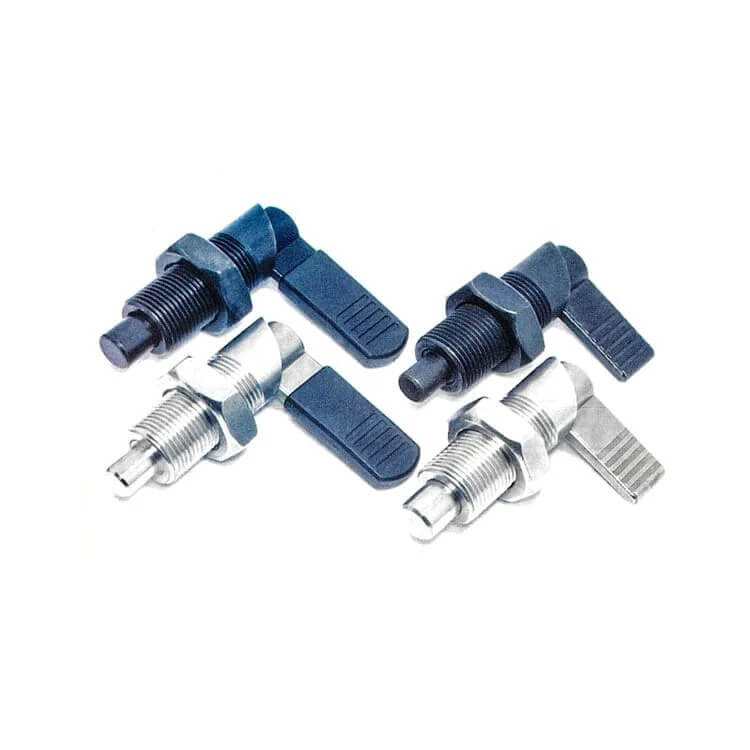
- Cam action indexing plungers
- Indexing plungers for thin-walled parts
- Short-bodied indexing plungers
- All stainless steel indexing plungers
- Indexing plungers with plastic pull knob
- Indexing plungers without knob
- Precision indexing plungers
- Lock-out indexing plungers
- Clamping indexing plungers
Why Choose Roche as Your Indexing Plunger Manufacturer?
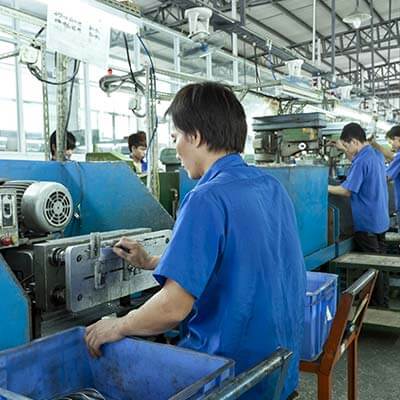
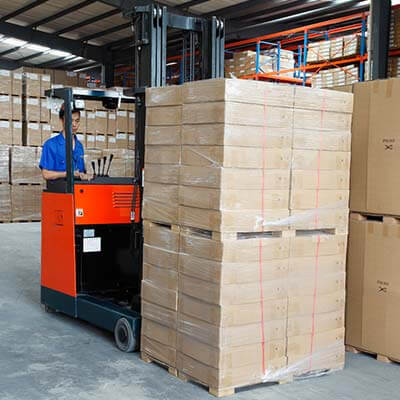
If you’re searching for high-quality indexing plungers, you’ve come to the right place. Roche is a professional indexing plunger manufacturer based in China, committed to delivering excellence at every stage of production.
✅ Strict Quality Control – We maintain rigorous oversight throughout the entire manufacturing process.
✅ Expert Engineering Support – Our experienced engineering team is ready to assist with any technical questions or custom requirements.
✅ 24/7 Rapid Response – Enjoy our 12-hour rapid response service backed by a round-the-clock sales and technical support team.
✅ Outstanding After-Sales Service – We stand behind every product we deliver.
Roche is your trusted indexing plunger design partner in China. Send us your inquiry today using the button below!
Frequently Asked Questions (FAQs)
1. What materials are indexing plungers typically made from?
Indexing plungers are commonly manufactured from steel, stainless steel, or a combination of metal bodies with plastic knobs. Stainless steel options are ideal for corrosive environments, food processing, and medical applications, while standard steel versions suit general industrial use.
2. How do I choose the right indexing plunger for my application?
Consider these key factors: required pin diameter and length, retaining force needed, environmental conditions (temperature, moisture, chemicals), mounting style (threaded, smooth, with or without collar), thread size, and whether you need a locking or non-locking mechanism. Our engineering team can help you select the perfect model for your specific needs.
3. What’s the difference between locking and non-locking indexing plungers?
Locking plungers can be held in the retracted position by turning the knob, keeping the pin disengaged until released. Non-locking plungers automatically return to the extended position once the knob is released, providing instant re-engagement.
4. Can Roche provide custom indexing plungers?
Absolutely. We offer full customization services including specific dimensions, materials, thread types, pin shapes, knob designs, and surface treatments. Simply share your drawings or specifications, and our engineers will develop a tailored solution.
5. What is the typical lead time for indexing plunger orders?
Standard products are usually available for shipment within 7–15 days. Custom orders typically require 20–35 days depending on complexity and quantity. We always strive to accommodate urgent project timelines whenever possible.
6. Do indexing plungers require maintenance?
Indexing plungers are generally low-maintenance components. We recommend periodic inspection for wear, occasional lubrication of the spring mechanism, and cleaning to remove debris that could affect the pin’s smooth movement. Stainless steel models offer extended service life with minimal upkeep.